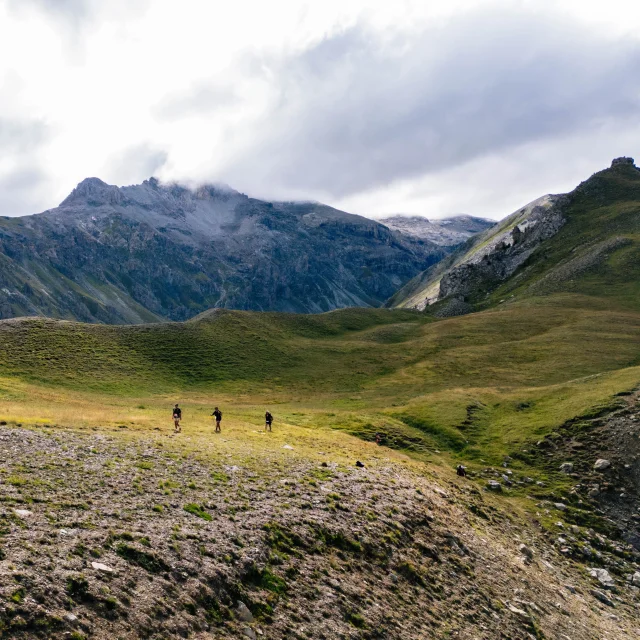
If you look up or keep an eye out for the slightest movement, you can spot many species in their natural habitat: roe deer, marmots, ibex, chamois, black grouse and golden eagle…
2019 260619074009 Remi Morel Ot Vars
|
Fauna & Flora
Smile, you're being spied onIn the mountains, silence is often king. But make no mistake… you’re never really alone. Keep your eyes wide open and your ears open: marmots, birds, insects and large mammals are also watching you, well hidden in their natural environment.
Discovering
emblematic species
Focus on
black grouse
An emblematic bird of mountain environments, the chicken-sized black grouse is a sensitive and protected species. In winter, it saves energy by sheltering under the snow. In spring, it performs its famous courtship displays, which are essential for reproduction. If you come across one, you’ll no doubt recognise it by its red crest.
But beware, the black grouse is particularly vulnerable to human disturbance, especially in winter and spring. A single off-trail passage can be enough to cause serious stress, or even endanger its survival.
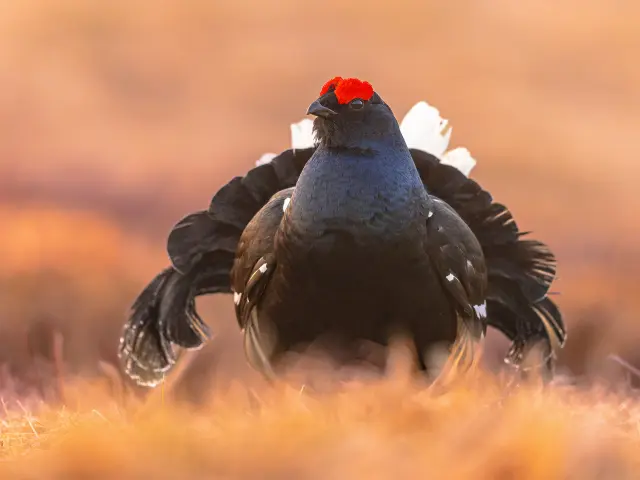
Black grouse (Lyrurus tetrix), also known as northern black grouse, Eurasian black grouse, blackgame or blackcock is a large game bird in the grouse family. This bird recently became extinct in the Netherlands. Wildlife scene of nature in Europe.
|
2019 260619074715 Remi Morel Ot Vars
|
Focus on the ibex
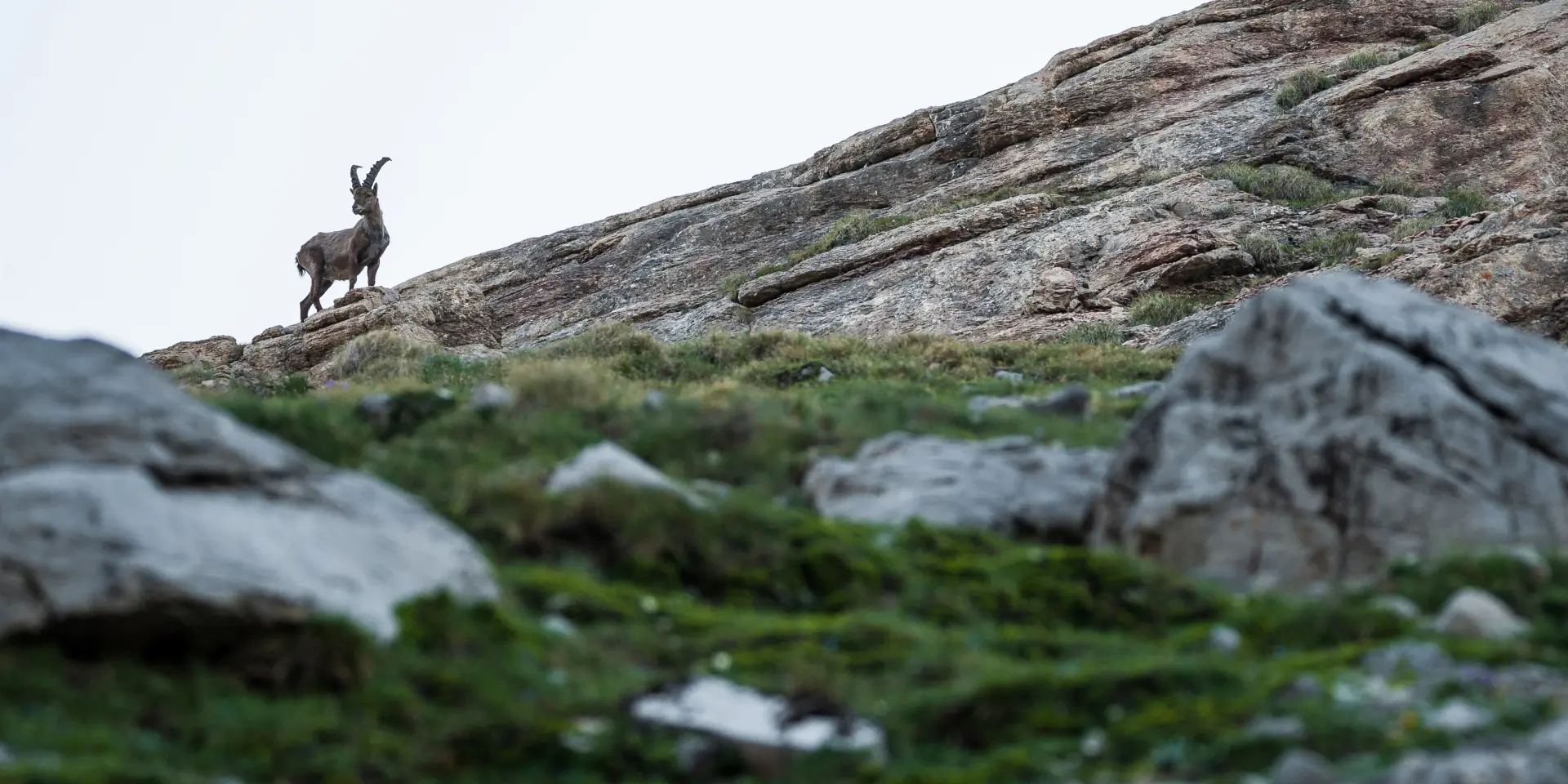
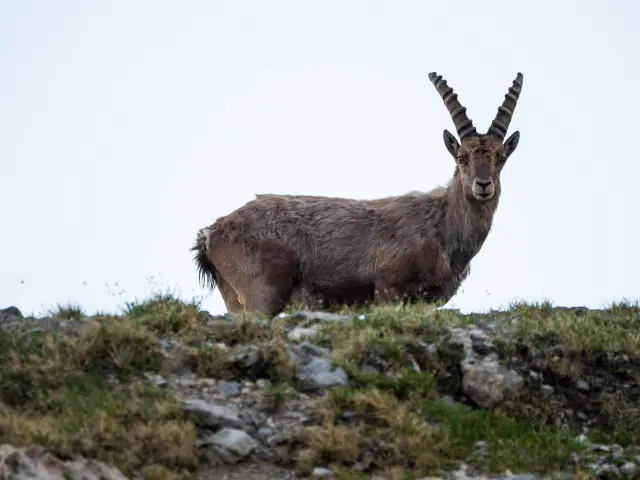
The Alpine ibex is one of the great symbols of life at altitude. Recognisable by its long, curved horns, it moves with remarkable ease along the steepest rock faces.
Once threatened with extinction, it is now one of the great conservation success stories of the Alps. It can be seen on rocky slopes, where it takes advantage of inaccessible areas to feed and rest.
Focus on marmots
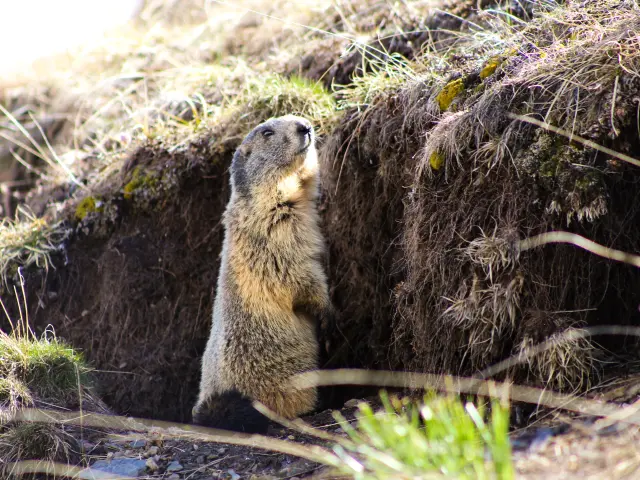
The marmot is undoubtedly one of the most emblematic and much-loved animals in the mountains. They live in colonies in high-altitude meadows, digging complex burrows where they spend much of the year.
Very active in summer, it spends the rest of the year in prolonged hibernation. Its characteristic whistle serves as an alarm in the event of danger, warning the whole group.
Although it may seem familiar, the marmot remains a wild animal: it is important not to feed it to preserve its natural behaviour.
Ot Vars Lea Scappini 17052024 1
|
Good practice
hiking
Steps to take
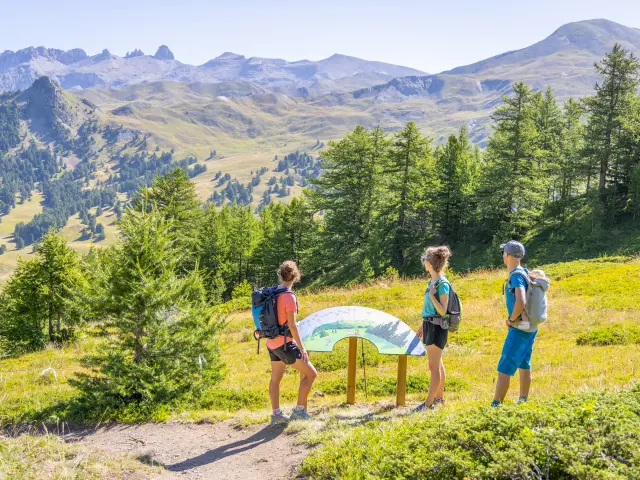
When out walking, it is essential to behave in a respectful manner in order to preserve the flora and fauna around you:
– Do not pick flowers
– Stay on marked paths to avoid trampling fragile vegetation
– Do not make unnecessary noise: wild animals and herds need peace and quiet
– Fires: they are only permitted in regulation fireplaces
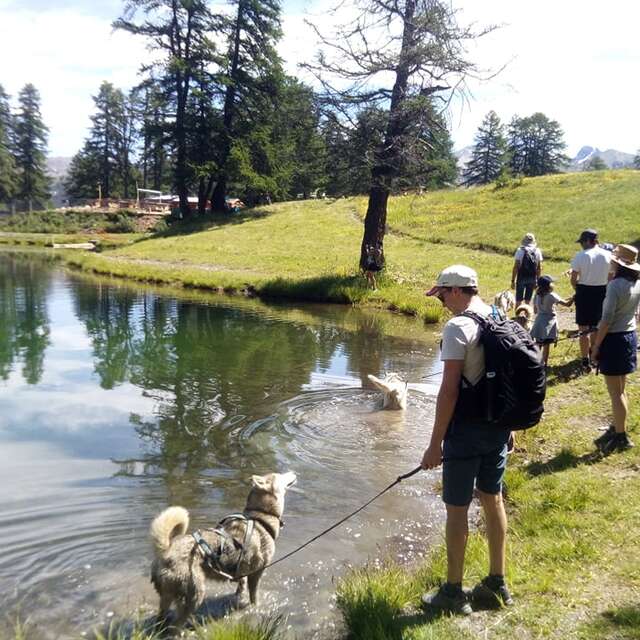
– Dogs: must be kept on a lead
– Rubbish: keep your litter clean, don’t throw it out in the open
– Beware of herds and guard dogs: close fences properly
Wild flora
Touching with the eyes
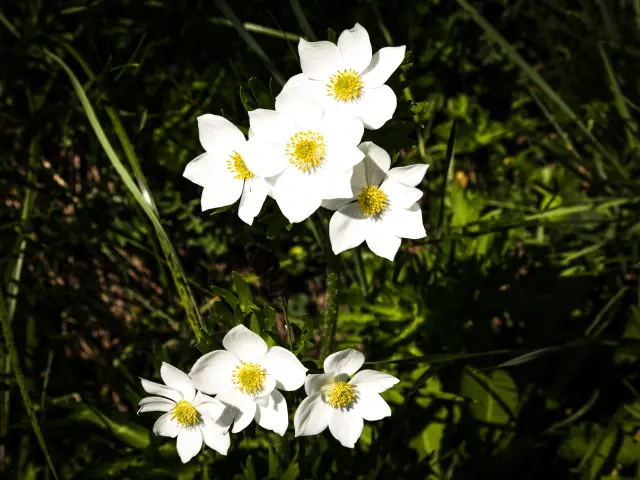
Mountain flora is something to be discovered with curiosity… but without ever touching it. In Vars, the flora is revealed as the seasons and altitudes change, creating rich, ever-changing landscapes.
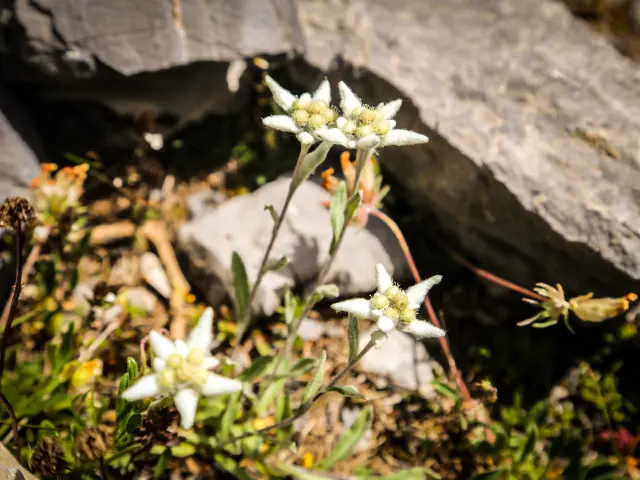
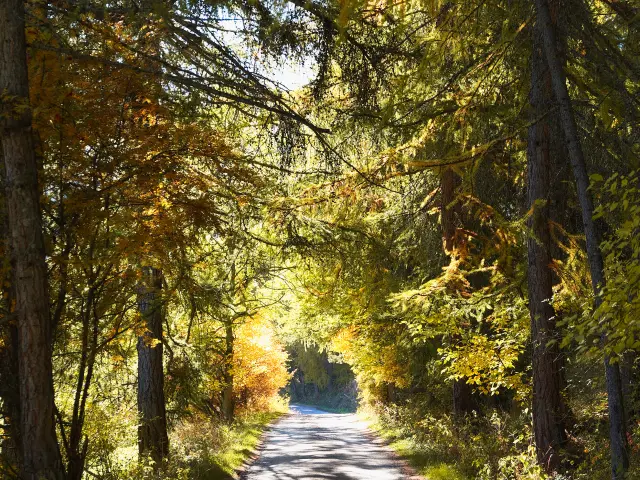
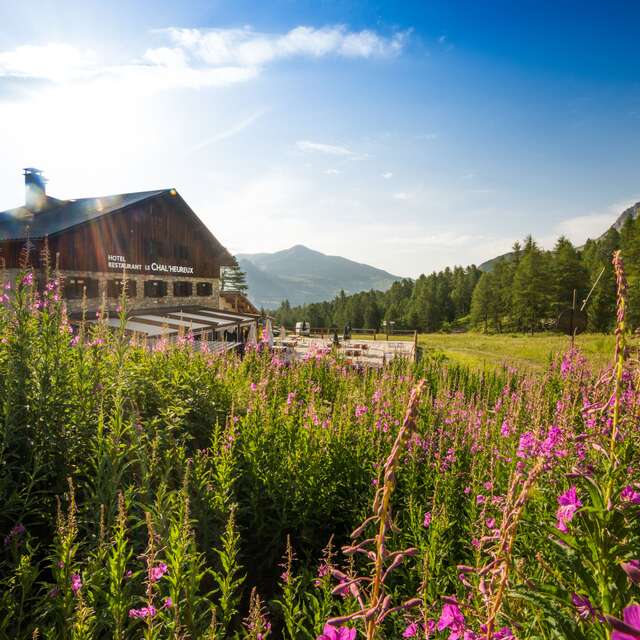
In the alpine meadows, you can admire a wide variety of wild flowers such as gentians, anemones and edelweiss. The larch forests offer a unique atmosphere, particularly in autumn when their golden hues transform the landscape. Higher up, the vegetation becomes rarer and more discreet because of the weather conditions: wind, cold and intense light.
This flora, as beautiful as it is fragile, plays an essential role in the balance of mountain environments. You can observe and admire it… but you can’t pick it: here, you can only touch nature with your eyes.
Lea Scappini Ot Vars 19072023 46
|
Vars Autumn Vp 55bd
|
Lea Scappini Ot Vars 43
|

Preparing your stay
100% varsinc






















Dji 0984
|